Thursday, April 2, 2009

Research Angle


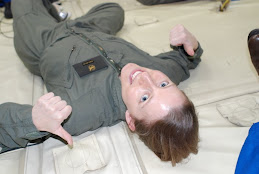
Right about now, Ryan, Mallory, Jim and Kyle are doing this (see above). The rest of us just filled out evaluations about the experience so NASA can improve on the program, though I'm not sure how. It's pretty spectacular the way it is.

One of the privileges of participating in the program is being able to hang a university banner in the high bay of Building 993. Our team is leaving this beauty behind to represent the latest frontier of Boise State research. Back on campus, classes already are being taught to get more and younger students involved in programs like this. Who knows, maybe a Bronco will walk on Mars. :-)


Go for Flight

Team two is away, cruising through sky full of shadow and light. It won't be long before they feel the first nose over and open their eyes and mouths as wide as they will go.
 

The beefed up ground crew was onboard right before setting things up, and thanks to the rain, they had to wear these fashionable booties. Nothing was broken this time, but the team was trying to get the camera prepped to shoot the subtle yet eyebrow-raising movement of the lunar regolith.


It's not often you see a "hypergravity" button on your computer. 


A Great Big Tiny Lesson


We are now on the infamous "lighting hold," on lock-down in the hangar until the storm rages past. Seems like a perfect time to explain the above picture, what could have ruined the entire experiment before it even left the ground. This is actually the victory shot after Matt and one of NASA's best (a mechanical engineer as well) were able to coax a broken ball rod end out of its threading. According to Matt, this piece secures the critical mount for the shock assembly that is responsible for transmitting the load that pushes the wheel down into the regolith. This critical piece got broken in transit, but a little patience and overnight shipping did the trick.

The photo below, pre-fix, demonstrates the contrast of moods in the room. Jim unwittingly came in with a cart full of goodies while Matt -- well, you can see what Matt was thinking. In any case, this is yet another example of how often engineers have to deal with problems as they come and count on each other for ideas, technical support and maybe a little sympathy.  


Troubleshooting

Even though Mother Nature ruled the day yesterday, there were a few bright spots. Right before the flight team was to board the plane, the ground team went in to make sure the experiment was in good shape. Apparently it wasn't.

Per Bob Davidson: "Matt saved the day by fixing a broken power wire just ahead of the second day's flight. When we went out to check things, we couldn't power up the unit. Luckily we caught this in time to fix it. If we hadn't checked, it would have been too late when the flight crew boarded."

Back in the hangar, the second set of fliers is still in limbo. Hail is pounding the roof as I write, and a thunder storm is making its way through the air space reserved for the G-FORCE ONE. The JSC folks handed out two alternative schedules in case things get delayed another day, but they think the intense weather will burn out fast. Here's hoping.


Wednesday, April 1, 2009

Farewell to Good Friends

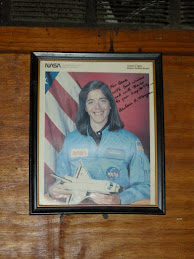
After a fantastic week, we had to say goodbye to both Pedro and Barbara yesterday evening. Together, they represent the best of NASA, from the engineer behind the scenes to the astronaut in the spotlight. Both provided crucial guidance and support, and I think it's safe to say we couldn't have done it without either one of them. They helped put this experience in context as well as making it a really good time. We miss them already.
  

Grounded

The weather has decided for us. The day-two flight teams will try again tomorrow, and we're hoping they'll get some extra sympathy parabolas for their trouble. Barbara said this is actually a great glimpse into the necessary sensitivity of NASA missions. Getting "scrubbed" means that every precaution is being taken to ensure the safety of the crew, and no one can (or wants to) argue with that.

Unsung Heroes


One of the things that has been emphasized over and over this week is the importance of team. The Discovery astronauts we saw last weekend were quick to credit all those who contributed to the success of their mission, and the list was long indeed. While Boise State's flight teams will come home with some of the most impressive anecdotes, they could never have gotten near the plane without a lot of support and encouragement from the steadfast ground team, including Jeff Perkins, Bob Davidson and Matt McCrink (pictured above). 

There are many more individuals and organizations that need to be formally thanked for contributing to this project (and they will be), but for now, we in Houston would like to recognize our vital teammates at home.

Jason Griswold, aka team "mom," wasn't able to join us as planned, but his name has been mentioned many times this week. We wish he was here.

Travis Dean was instrumental in fabricating the wheels, which are the heart of the experiment. He would have been here if not for a very joyous event in his life, which we're guessing is probably even more of a thrill than microgravity. 

Don Plumlee helped a great deal in supervising the design and execution of the experiment's motor and mechanical structure, and he should know that despite a few glitches caused by crazy gravity, everything is working beautifully.

Jake Forseberg contributed his time and skills to several projects, including the emergency stop button on the experiment and the sweet logo on all of our team shirts. He is observing the action this time around and hopefully will get involved in future projects.

Kim Long is a wonder. She helped with everything, from the scheduling to the financing to the cheerful smiles whenever they were needed. She deserves some serious NASA swag from our favorite souvenir shop.

Andy Diehl made it possible for the team to reserve space in the engineering buildings every week and enabled telephone and Internet conferences with our NASA mentor, which were crucial to the execution of the project.

Margaret Scott and Michele Armstrong have been getting the word out on the home front, using the College of Engineering homepage as an ever-evolving billboard. Thanks also for all the creative and technical help with the blog. It is our window on the world.

To everyone else supporting this team, thank you, and stay tuned for a more extended note of gratitude.